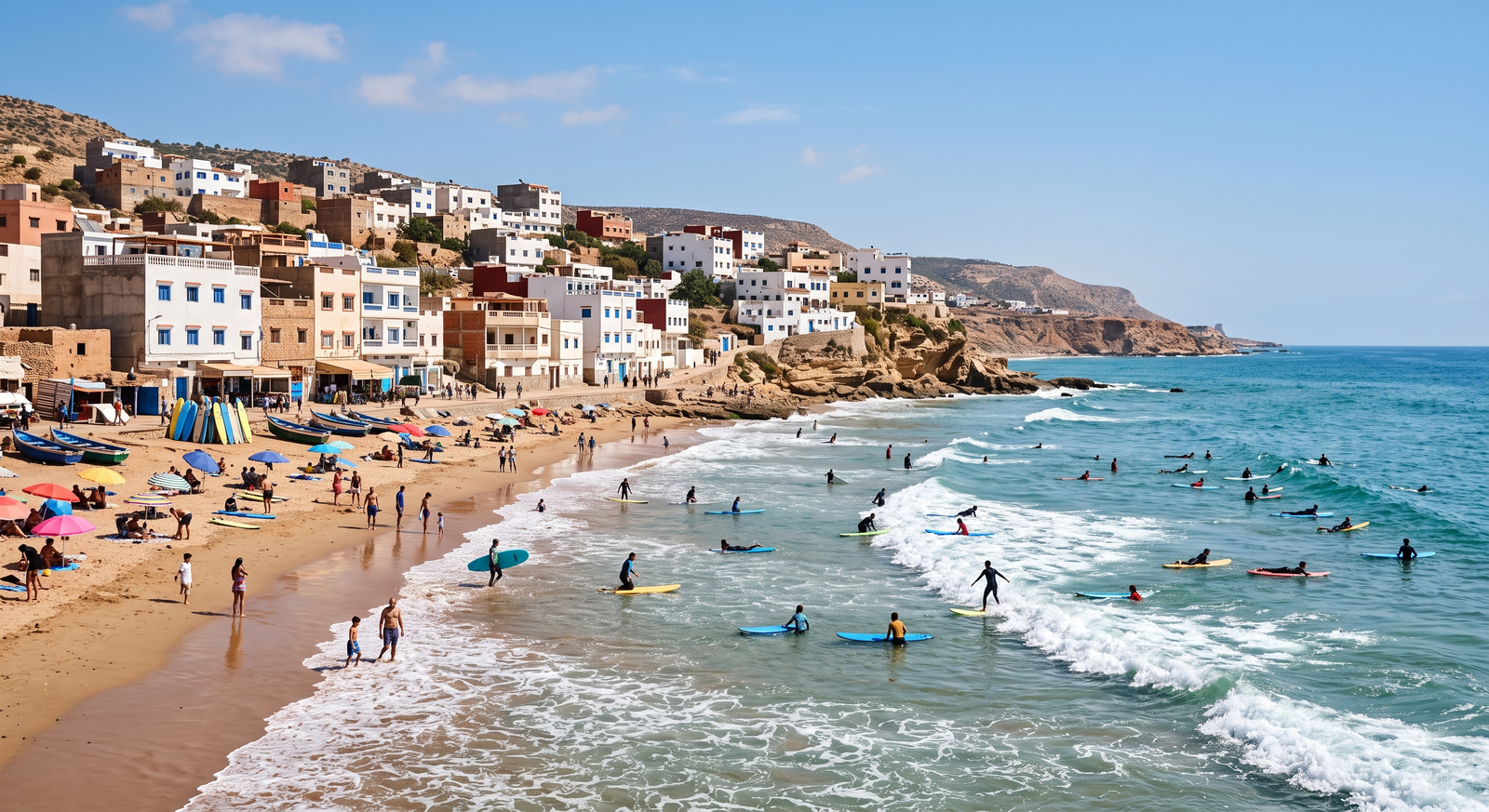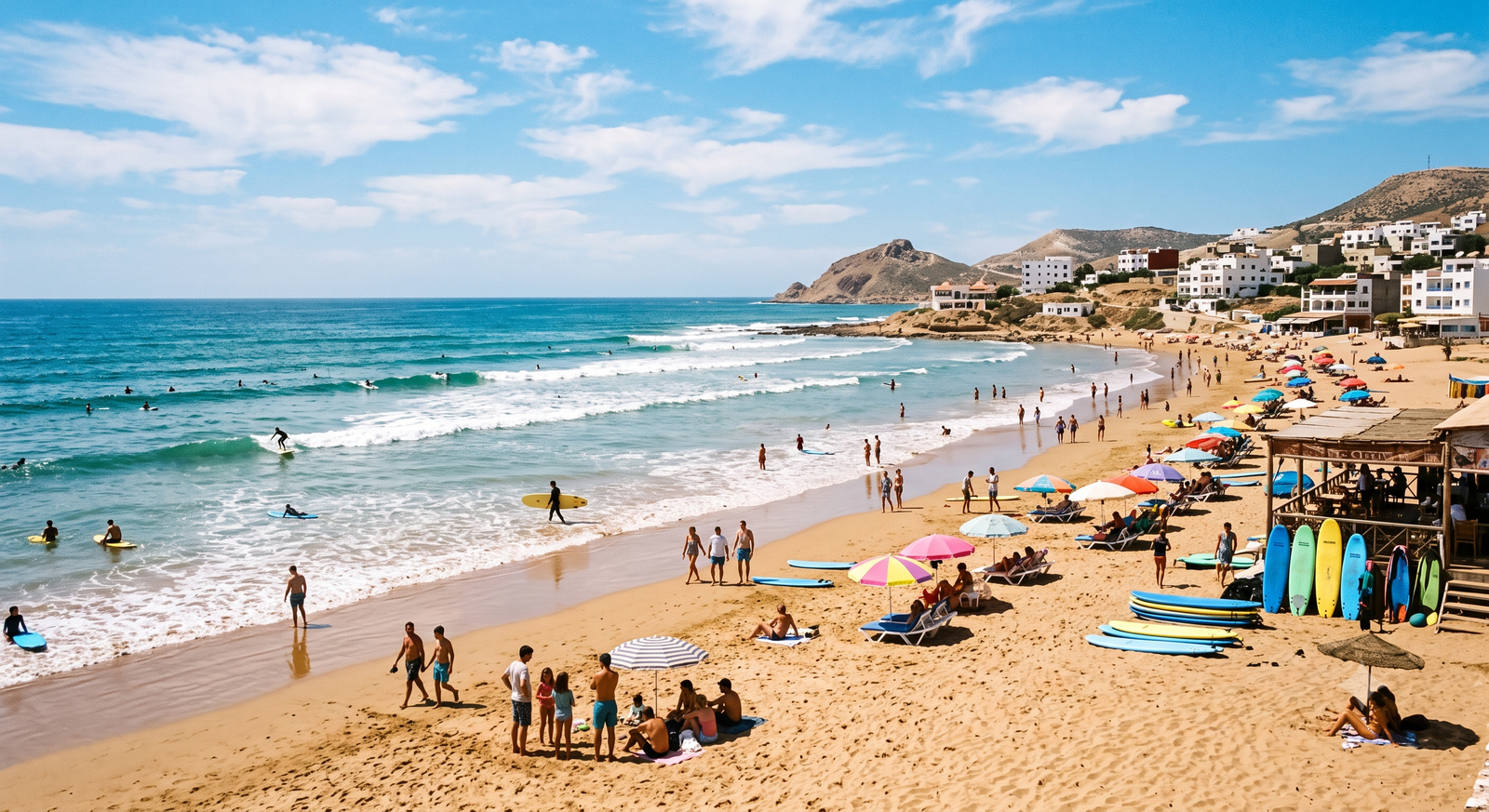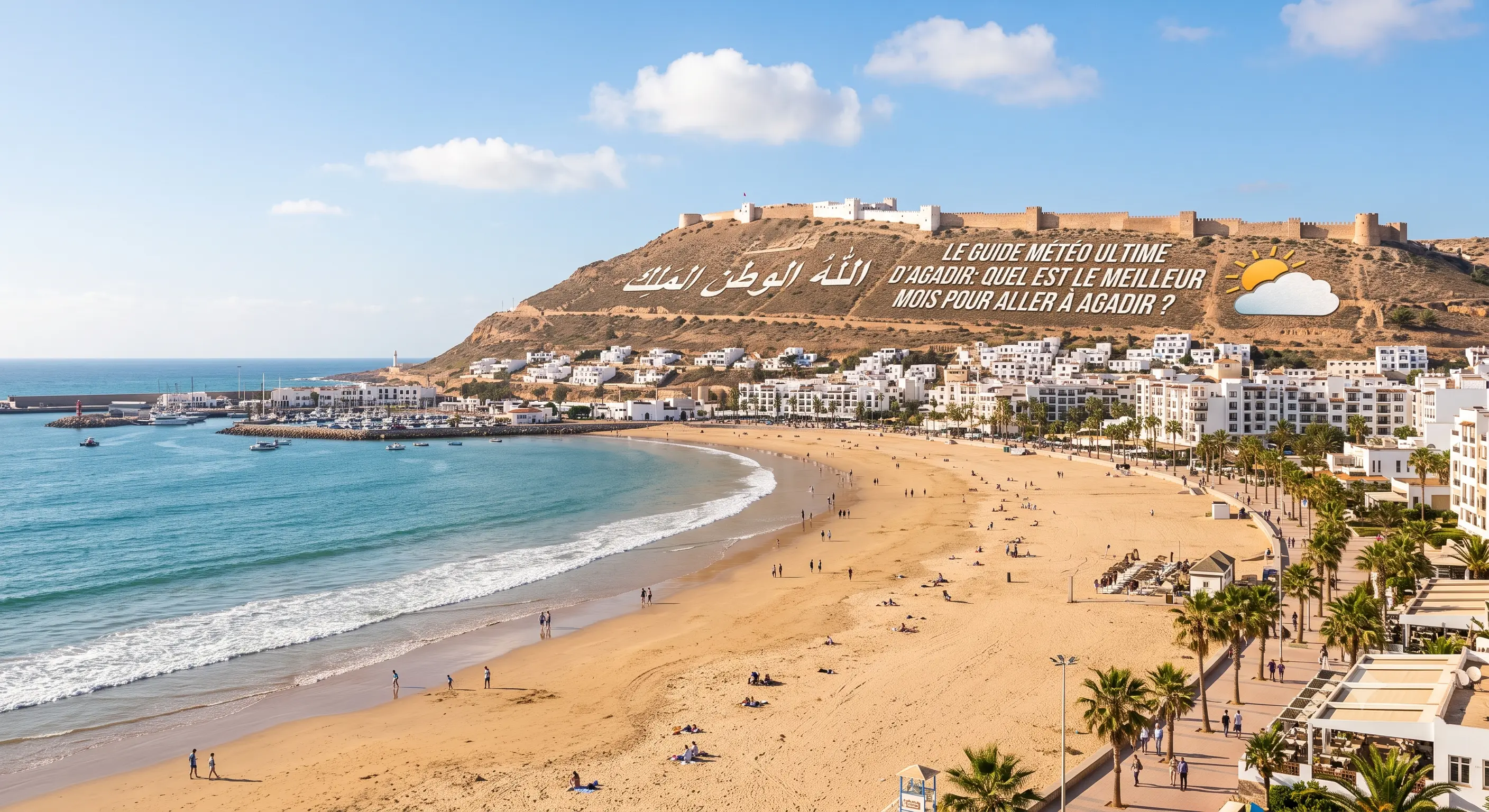
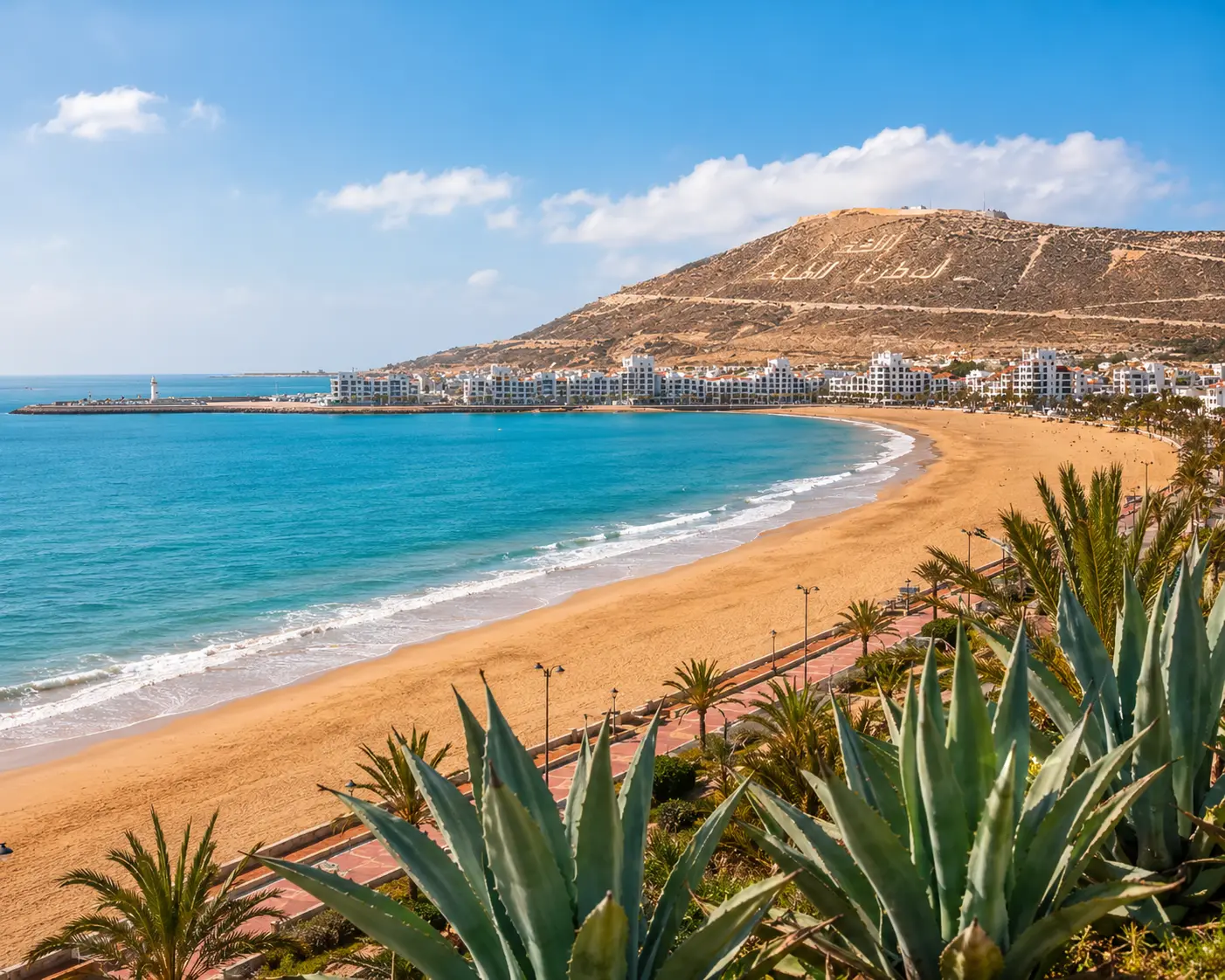

Nestled along the southwestern coast of Morocco, Agadir enjoys a privileged geographic positioning where the Sahara Desert meets the vastness of the Atlantic Ocean. This location creates a microclimate unique in the world, often described as "eternal spring." Unlike internal imperial cities such as Marrakech or Fez, which suffer suffocating summer heat and freezing winter nights, Agadir maintains a surprising thermal regularity. For travelers seeking sunshine, checking data on Agadir Weather Today is often the first reflex before packing their bags.
However, reducing Agadir's climate to a simple sunny constant would be a planning mistake. Between cold ocean upwelling, burning Saharan winds (the Chergui), and mysterious coastal fogs that make an appearance during July and August mornings, each season possesses a distinct meteorological identity. Whether you are departing for a relaxing family vacation, a cultural road trip, or an intense surf camp on the spots of Imourane and Taghazout, your calendar choice will heavily influence your experience.
This comprehensive guide was created by meteorology experts and Moroccan tourism specialists. We will analyze the climate anatomy of Agadir through its temperatures, rainfall, ocean conditions, and specific local phenomena. Thanks to our month-by-month breakdown, you will know exactly what to expect, how to dress, and how to optimize your days to make the most of the Kingdom's premier seaside resort.
Table of Contents
-
Anatomy of the Gadiriti Climate: Understanding the Microclimate
-
The Summer Fog Phenomenon (Sea Mist)
-
The Chergui: When the Sahara Invades the Coast
-
The Month-by-Month Agadir Weather Guide
-
Summary Table: Temperatures, Sunshine, and Rainfall
-
Agadir Climate by Season: What is Your Ideal Period?
-
Water Temperature in Agadir: The Swimming and Surfing Guide
-
Weather & Travel Frequently Asked Questions (FAQ)
-
Conclusion: The Expert's Verdict
1. Anatomy of the Gadiriti Climate: Understanding the Microclimate
The climate of Agadir is classified as a hot semi-arid climate (BSh) according to the Köppen classification, but with a strong oceanic influence. This nuance is crucial. While the city's latitude places it on the same level as global desert zones, the Atlantic Ocean acts as a giant thermal regulator. Sea air cools the atmosphere in summer and warms it in winter.
Average maximum temperatures range between 20°C in January and 27°C in August. Nighttime temperatures rarely drop below 10°C in winter, avoiding the frost that can hit inland Morocco. Rainfall is very low, averaging about 250 mm annually. This precipitation is almost exclusively concentrated between November and March as short, occasionally intense showers. The rest of the year, blue skies dominate effortlessly, making the region a paradise for vitamin D lovers.
2. The Summer Fog Phenomenon (Sea Mist)
This is Agadir's great paradox, one that surprises most summer visitors. In July and August, while the rest of Morocco swelters in temperatures exceeding 40°C, Agadir can wake up wrapped in a thick white blanket. This coastal mist or advection fog phenomenon is purely mechanical.
During summer, Morocco's interior overheats intensely. This heat creates a thermal low that sucks in cooler air from above the Atlantic Ocean. However, along Agadir's coast runs the Canary Current, a cold ocean current. When warm, humid ocean air contacts this cold surface water, moisture condenses instantly into low clouds and fog. This gray veil covers the beach and city during the morning. Generally around 1:00 PM or 2:00 PM, rising land temperatures dissipate the mist, revealing radiant sunshine for the remainder of the afternoon. If you check Agadir Weather Today in summer and the sky is gray at 9:00 AM, don't panic: it's the breath of the Atlantic, and it will evaporate soon.
3. The Chergui: When the Sahara Invades the Coast
If the Atlantic brings freshness, the desert occasionally brings a furnace. The Chergui is a continental wind coming from the southeast, directly from Saharan expanses. When it blows, Agadir's climate dynamics completely reverse within hours.
The Chergui repels the sea breeze and crosses the Anti-Atlas mountains. Descending toward the coast, the air compresses and warms further via the foehn effect. The result is immediate: humidity drops below 10%, and the thermometer can surge from 25°C to over 40°C, or even 45°C during severe summer episodes. These dry heatwaves are often accompanied by a haze of fine ochre dust or sand. Fortunately, these otherworldly episodes rarely last more than 3 to 5 consecutive days. They offer travelers a unique experience—feeling the authentic breath of the desert at the shoreline.
4. The Month-by-Month Agadir Weather Guide
January: Authentic Winter Mildness
January is the coolest month of the year in Agadir, but "cool" remains relative. Daytime temperatures regularly reach 20°C or 21°C in the shade. In the sun, it feels very pleasant, allowing for t-shirt strolls along the promenade. Mornings and nights are cool (around 10°C), requiring a thick sweater or seasonal jacket. It is an ideal month for hiking in Paradise Valley or exploring the Medina Polizzi without suffering from heat. The sea is chilly, reserved for surfers equipped with a 3/2mm or 4/3mm wetsuit.
February: The First Signs of Spring
In February, days lengthen and light becomes exceptional. Average highs hover around 21°C, but spikes to 25°C are not uncommon if winds shift south. Ocean water is at its thermal low (around 16°C). It is peak season for European surfers escaping northern frost to chase consistent swells along the Agadir coast. Rain risks decrease compared to January, offering superb days to visit the Kasbah of Agadir Oufella at sunset.
March: Nature's Awakening
March marks the official transition to spring. Average maximum temperatures cross the 23°C mark. The hinterland, watered by winter rains, dons a carpet of green and wildflowers, offering spectacular landscapes in the Anti-Atlas. Skies are mostly clear, boasting over 8 hours of effective sunshine daily. It is one of the best months for golfers and trekkers seeking sport in a temperate climate.
April: Ideal Spring for Sightseeing
With an afternoon average of 24°C, April is a fantastic month to explore Agadir. Sunshine is nearly continuous and rainfall becomes anecdotal. The atmosphere in town is relaxed, far from summer crowds. Souk El Had terraces come alive, and travel conditions are optimal for families. Nights warm up to 13°C, making outdoor evenings particularly enjoyable.
May: The Start of the Beach Season
May is often considered by insiders as Agadir's best-kept secret. Maximum temperatures range between 25°C and 28°C, while daily sunshine reaches 9 hours. Sea breeze remains moderate and the ocean begins a very gradual thermal rise. Beaches are not yet crowded by mass tourism, offering a majestic space along 10 kilometers of fine sand.
June: Entering Oceanic Summer
June opens the gates to summer. Temperatures stabilize around 26°C in the shade. Morning mist begins to manifest during this period. Mornings can feel cool and overcast, but afternoons bring clear skies and radiant sun. It is ideal for travelers who dislike extreme heat: ocean air maintains constant freshness on the beach, keeping heat comfortable.
July: The Heart of the Summer Season
July is the busiest month. Average maximum temperatures sit at 27°C, but beware: during a Chergui episode, the mercury can exceed 40°C in an instant. Morning fog is frequent, providing a mystical atmosphere before burning off by midday. Nightlife peaks around the marina and 20th of August Boulevard. Sea temperature finally reaches levels suitable for general swimming (around 20°C to 21°C).
August: The Warmest and Most Vibrant Month
August shows the warmest statistics of the year, averaging 28°C to 30°C for highs. The city vibrates with holiday energy, welcoming domestic and international tourists. The ocean reaches its highest temperature (up to 22°C in protected bay areas). Evenings are warm and lively, perfect for enjoying fresh grilled fish at the fishing port. Morning fog remains a factor to consider when organizing activities.
September: The Connoisseur's Indian Summer
Ask locals for the best time of year, and many will answer without hesitation: September. Summer morning mists disappear, skies are deep blue from morning to night, and July/August crowds have departed. Temperatures stay warm and summer-like (averaging 27°C), while the ocean retains heat accumulated over summer. It is the dream period to combine swimming, cultural visits, and relaxation in restored tranquility.
October: Autumn Mildness
October extends the Indian summer with maximum temperatures around 26°C. Water remains swimmable for the less cold-sensitive (19°C-20°C). It also brings the gradual return of early autumn swells, pleasing Taghazout surf schools. Days shorten, but low autumn sunlight delivers beautiful color contrasts against northern coastal cliffs.
November: Return of Beneficial Rains
November marks a genuine seasonal shift. Although daytime highs remain respectable (around 23°C), rain probabilities increase noticeably. This is the month when Agadir's thirsty soil receives its first rains. Days alternate between bright spells and active cloud patches. Hotel rates drop, offering a great budget opportunity to explore Moroccan culture.
December: Christmas on the Balcony, Feet in the Sand
Spending December in Agadir is a invigorating experience. With over 21°C during peak daytime hours, the city provides a striking contrast to harsh European winters. Europeans come for winter sun to recharge. While extended swimming may require a light wetsuit, sunbathing on beach loungers is pure joy. Pack warm clothes for the evening, as temperatures drop quickly toward 11°C after sunset.
5. Summary Table: Temperatures, Sunshine, and Rainfall
| Month | Avg Min (°C) | Avg Max (°C) | Rainfall (mm) | Sunshine (h/day) | Sea Temp (°C) |
| January | 10 | 20 | 45 | 7 | 17 |
| February | 11 | 21 | 40 | 8 | 16 |
| March | 12 | 23 | 30 | 8 | 17 |
| April | 14 | 24 | 15 | 9 | 18 |
| May | 16 | 26 | 5 | 9 | 18 |
| June | 18 | 26 | 1 | 9 | 19 |
| July | 19 | 27 | 0 | 8 | 20 |
| August | 20 | 28 | 0 | 8 | 21 |
| September | 19 | 27 | 5 | 8 | 21 |
| October | 16 | 26 | 25 | 7 | 20 |
| November | 13 | 23 | 40 | 7 | 19 |
| December | 11 | 21 | 50 | 6 | 18 |
6. Agadir Climate by Season: What is Your Ideal Period?
-
Summer (June to August): Ideal to Escape Heatwaves
While inland Morocco (Marrakech, Fez, Zagora) faces suffocating heat often exceeding 45°C, Agadir serves as a thermal refuge. Thanks to constant sea breezes and morning fog, the city enjoys a uniquely temperate summer. It is the dream period for those who want beach weather without sweltering heat, as well as the most dynamic cultural and tourist season.
-
Autumn (September to November): The Golden Season
Experts consider autumn the prime season to visit Agadir. In September and October, sea temperatures peak, summer fogs vanish, and sunshine is continuous. Air temperatures remain warm yet comfortable. It is ideal for combining beach time, early surf sessions, and inland excursions without summer crowds.
-
Winter (December to February): Paradise for Climate Refugees
Escaping Northern Europe's snow and cold? Winter in Agadir welcomes you. Short, luminous days regularly exceed 20°C in the afternoon, perfect for stocking up on vitamin D. It is also prime time for heavy surf on the north coast (Taghazout, Anchor Point) and golf on the area's top courses.
-
Spring (March to May): Ideal for Ecotourism and Hiking
Spring revives the flora of the Souss-Massa region. Temperatures climb gently to perfect levels for active exploration. Paradise Valley lives up to its name with natural pools filled by winter rains. The climate is dry, sun is generous, and the town retains a peaceful atmosphere before the summer rush.
7. Water Temperature in Agadir: The Swimming and Surfing Guide
The Atlantic Ocean at Agadir is neither the Mediterranean nor the Caribbean. Due to the cold Canary Current and upwelling (rising cold deep waters driven by winds), water temperatures remain cool year-round.
In winter, water drops to around 16°C. Wetsuits are necessary for extended surfing or swimming. In summer, water warms slowly to an average of 20°C to 21°C in August and September, offering a refreshing contrast to warm sun. The curved, sheltered Agadir Bay generally offers calmer and slightly warmer waters (1–2°C warmer) than open northern beaches.
8. Weather & Travel Frequently Asked Questions (FAQ)
Can you swim in Agadir in winter?
Swimming in a regular swimsuit in winter (December to February) is suitable only for the cold-tolerant, as water hovers around 16°C. However, for sports like surfing, kitesurfing, or paddleboarding, a 3/2mm wetsuit keeps you comfortable for hours.
Why is there fog in Agadir in mid-summer?
This fog is caused by the thermal contrast between hot air from interior Morocco and cold water from the offshore Canary Current. It occurs mainly on July and August mornings, dispersing by early afternoon.
What is the highest temperature ever recorded in Agadir?
During severe Chergui episodes (desert winds), temperatures spike dramatically. Agadir has recorded absolute records approaching or exceeding 48°C during exceptional summer heatwaves. Fortunately, these events are rare and brief.
When are travel prices to Agadir lowest?
Lowest rates are typically found in November (outside school holidays), January, and May. Avoiding Christmas, Easter, and peak summer yields major savings on flights and hotels.
Is it true that it never rains in Agadir?
No, that is a myth. While semi-arid, Agadir averages about 250 mm of rain per year, falling mostly as brief, heavy showers between November and March.
When is the best time for surfing in Agadir?
The prime surf season runs from November to March when the North Atlantic generates powerful, consistent swells. World-class spots like Taghazout, Anchor Point, and Killer Point operate at peak performance.
How should I dress for a summer stay in Agadir?
Bring light cotton or linen clothing for afternoons (shorts, t-shirts, dresses). However, due to morning mist and cool ocean nights, carry a light jacket, sweatshirt, or windbreaker for coastal mornings and evenings.
Is Agadir's climate suitable for young children?
Yes, absolutely. The climate avoids thermal extremes, making it great for children and seniors. Sea air is fresh, and moderate summer temperatures lower dehydration risks compared to inland destinations.
What is the climate difference between Agadir and Marrakech?
Marrakech has a continental climate: much hotter in summer (often over 40°C) and colder winter nights (sometimes 5°C). Agadir's ocean influence moderates temperatures: cooler summers (27°C) and milder winters (20°C daytime).
Does it rain often in October in Agadir?
October is a transition month. Rain risk exists but is statistically low (about 2 to 3 rainy days per month). Most days feature beautiful Indian summer conditions.
Conclusion: The Expert's Verdict
Agadir fully deserves its reputation as an accessible year-round sun destination. Its ability to offer mild winters and breathable summers makes it a blessed climate anomaly. For a beach holiday with clear skies and warm water, target September and October. To escape European winter on a budget, December through February offer fantastic sunshine. For surfers, winter in Agadir is a world-class choice. Whatever season you choose, plan for local microclimates and monitor Agadir Weather Today to make the most of your trip.